
Welcome to Canada’s 1st
Digital Wellbeing Hub

Built alongside Canadian youth and grounded in research -
For everyone who cares about
digital wellbeing.
On the Hub, you'll find different ways to learn about digital wellbeing.
We use UNICEF-Canada's Index of Youth and Child Well-being as a framework to explore how digital technology is impacting Canadians across 9 dimensions of wellbeing.
As you click into each dimension, you'll find:
🎥 Digital Portraits – Short videos where young people across Canada share honest reflections on their digital lives.
🔗 Trusted Resources – A curated collection of tools and reports from trusted research centres and organizations.
📚 Research Snapshots – Bite-sized summaries of academic studies exploring the impact of digital tech on youth wellbeing.
Explore by
Wellbeing Dimension
How do young people themselves define personal wellbeing and digital wellbeing? And how happy are they with the role and impact of digital technology on their overall sense of wellbeing?
ExploreHow does digital technology shape young people’s social networks and their connections to family, friends, and community?
ExploreWhat role do digital devices and the internet play in youth education? How is education connected to digital citizenship?
ExploreHow does the digital world influence young people’s overall sense of health and wellbeing across physical, mental, emotional, social, and spiritual dimensions?
ExploreHow much free or recreational time do young people spend online, and what impact does digital play have on their wellbeing?
ExploreHow are young people engaging online as informed digital citizens in social and political affairs?
ExploreHow safe do young people feel online, and how do digital technologies shape their safety in positive or negative ways?
ExploreHow do digital technologies shape young people’s knowledge of, care for, and connection to nature, and how do they affect environmental sustainability?
ExploreHow does access to the internet and digital technology affect young people’s material security and their ability to meet these basic needs?
Explore
Tip: rotate your phone for a wider view.

UNICEF Canada’s Index of Child and Youth Wellbeing:
Built with and for young people across Canada, the Index offers a holistic picture of what wellbeing looks and feels like to them. Grounded in the Rights of the Child and an ecological systems approach, it tracks how young people are doing across 9 interconnected dimensions of life. It helps assess “the kinds of childhoods our society offers its children,” and guides action to address challenges.
—UNICEF Canada Baseline Report, 2019
How it all began
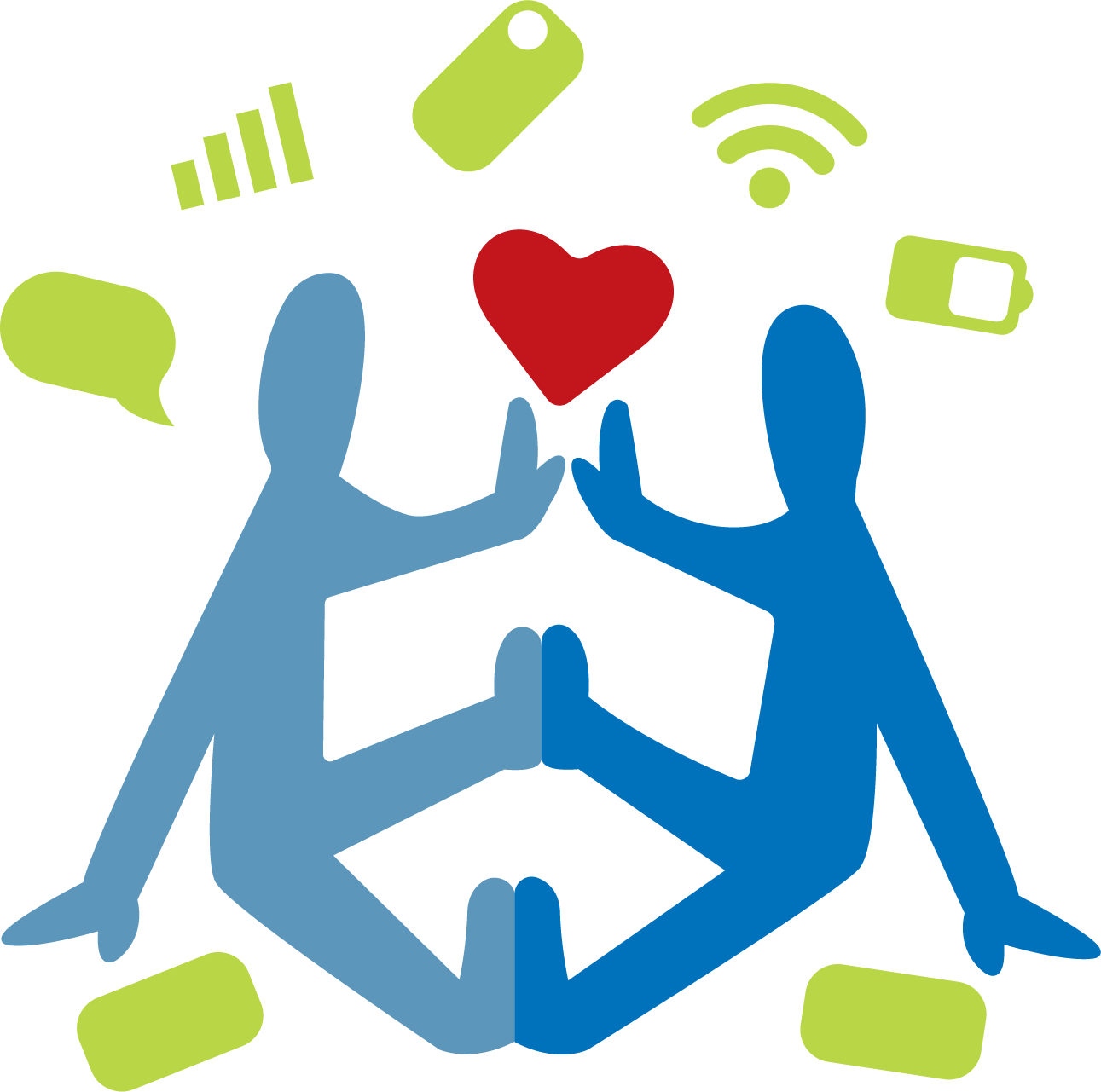
Concept Drawing by: Elvin Velasco
Illustration Design by: Keagan Joseph
The Digital Wellbeing Hub grew from real conversations with young people across Canada. Building on decades of research alongside youth at the Young Lives Research Lab, we co-launched a national study with UNICEF Canada, the Students Commission of Canada, and an 11-person Youth Advisory Committee to guide the work. Using the Canadian Index of Child and Youth Well-being as a framework, we interviewed youth across the country and analyzed existing research. We created this Hub to share what we've learned so far. As the work continues, so will this space, growing with new insights, voices, and ideas.
“There is no official definition of well-being. Different individuals, cultures, communities and age groups have different concepts and experiences of well-being. They have different goals and values. All citizens, including children, have the right to define what well-being means to them, their community and their society.”